Crispclicky
What to Know Before Investing in Whole Mouth Dental Implants: Planning, Benefits, and Long-Term Care
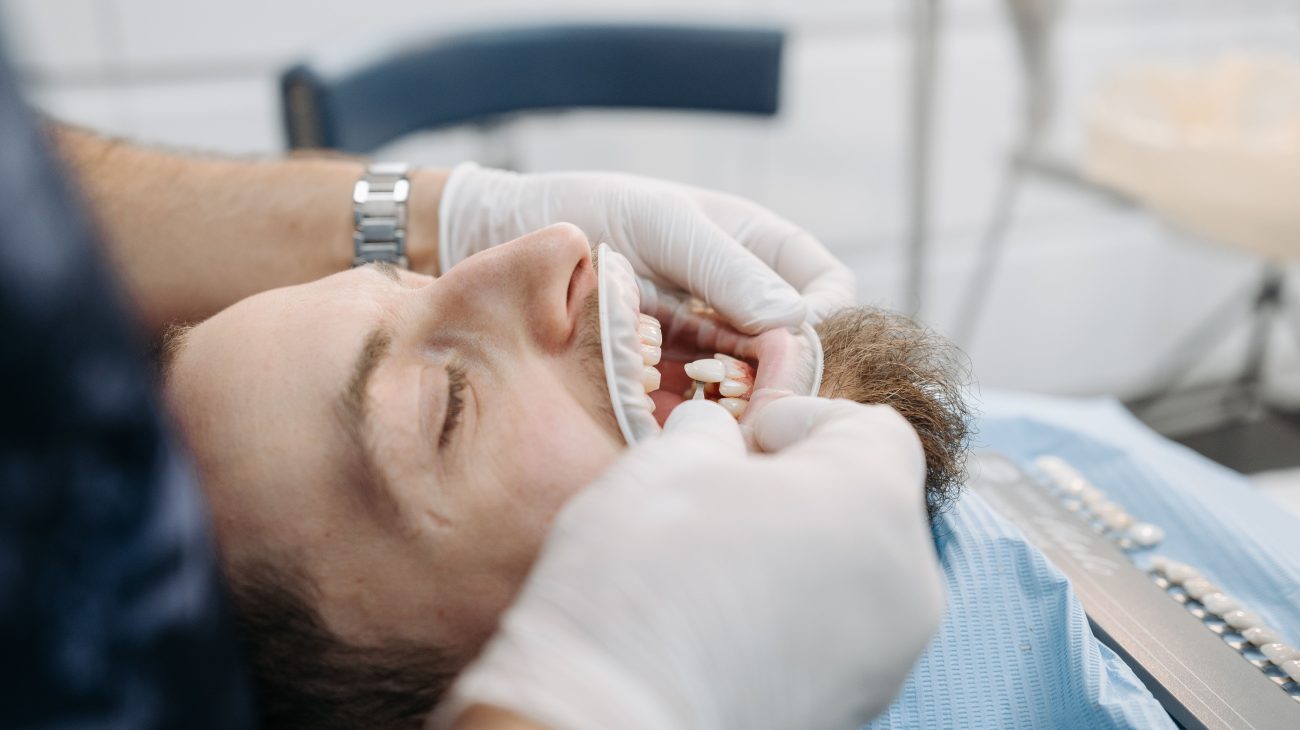
Tooth loss can gradually change the way you experience everyday life. A meal that once felt effortless may become difficult, conversations may feel uncomfortable, and smiling in photographs may no longer come naturally. When several teeth are missing or severely damaged, replacing them individually may not provide the most practical solution. Whole mouth dental implants offer a comprehensive approach that restores an entire dental arch using implant-supported replacement teeth.
However, this treatment involves more than placing artificial teeth where natural ones used to be. It requires careful consideration of bite alignment, facial structure, restoration materials, healing, and future maintenance. Understanding these details before scheduling surgery helps you make decisions that support both your oral health and long-term comfort.
Consider How Your Bite Will Change
Replacing missing teeth involves restoring the way your upper and lower jaws come together. When multiple teeth are absent, surrounding teeth may shift into empty spaces, changing how biting forces are distributed.
Whole mouth dental implants address this concern by rebuilding the dental arches with carefully positioned replacement teeth. Your dentist evaluates your bite to determine how the new restoration should contact opposing teeth.
Proper bite alignment matters because excessive pressure on certain areas may contribute to discomfort, restoration damage, or implant complications. Patients with teeth grinding or clenching habits should mention these concerns during their consultation.
Your dentist may recommend a night guard after treatment to protect the restoration from excessive forces. This additional precaution helps support the longevity of your investment.
Discuss Facial Support and Tooth Proportions
Your teeth contribute to more than your ability to chew. They also support your lips and help maintain the lower portion of your facial appearance.
Extensive tooth loss may affect facial proportions, particularly when jawbone deterioration accompanies missing teeth. Replacing the teeth with appropriately designed implant-supported restorations helps restore dental support and improve smile aesthetics.
During treatment planning, discuss the desired appearance of your replacement teeth. Your dentist considers tooth length, width, color, and positioning to create a restoration that complements your facial features.
The relationship between your teeth and lips also matters. A properly designed restoration should support comfortable lip movement without appearing excessively bulky.
Ask How Your Final Restoration Will Be Designed
The materials used for your replacement teeth influence their appearance, durability, and maintenance requirements. Full arch restorations may use materials such as acrylic, composite, porcelain, or zirconia, depending on the treatment design.
Each option has different characteristics. Acrylic restorations may be easier to repair, while zirconia offers strength and resistance to wear. Porcelain provides natural-looking aesthetics but requires careful consideration of its structural requirements.
Ask your dentist which material best suits your bite, lifestyle, and budget. Discuss how the restoration will be attached to the implants and whether the design allows convenient access for professional cleaning.
Understanding these details before surgery helps you avoid choosing a restoration based solely on its appearance.
Understand the Importance of Implant Positioning
The location of each implant affects how effectively it supports the replacement teeth. Implant placement requires careful consideration of bone availability, spacing, bite forces, and the final restoration design.
Dentists often use digital planning tools to evaluate implant positions before surgery. These tools help visualize the jawbone and identify anatomical structures that require protection.
In selected cases, guided implant surgery uses a customized surgical guide to help transfer the planned positions to the patient’s mouth. This approach improves surgical planning, although the technique and its benefits depend on the individual case.
Ask how your dental team plans implant placement and what imaging technology they use. Understanding the process gives you a clearer picture of how your treatment will be customized.
Find Out What Happens If an Implant Does Not Integrate
Although dental implants have high success rates, complications remain possible. One concern is implant failure, which occurs when an implant does not successfully integrate with the surrounding bone or loses stability later.
Several factors may influence healing, including smoking, uncontrolled medical conditions, poor oral hygiene, and insufficient bone support.
Ask your dentist how the clinic handles complications and whether your treatment plan includes monitoring during the healing period. You should also understand what options are available if an implant fails.
This conversation is important because a full arch restoration depends on the stability of its supporting implants. Knowing how potential setbacks are addressed helps you prepare for treatment realistically.
Consider How Dental Implants Affect Your Nutrition
Missing teeth may limit the foods you feel comfortable eating. Tough meats, crunchy vegetables, and certain fruits may become difficult to chew, encouraging you to avoid otherwise nutritious meals.
Whole mouth dental implants help restore a stable chewing surface, making it easier to manage different food textures after recovery. Improved chewing function may support a more varied diet and a more enjoyable eating experience.
However, patients should not expect to eat normally immediately after surgery. Your dentist will provide dietary instructions based on the procedure and healing progress.
During the initial recovery period, soft foods are generally recommended. Gradually reintroducing firmer foods should follow your dentist’s guidance to avoid placing excessive pressure on healing implants.
Prepare for Changes in Your Oral Hygiene Routine
Fixed implant-supported teeth do not develop cavities like natural teeth, but that does not mean they are immune to oral health problems.
Bacteria can accumulate around implant surfaces and underneath full arch restorations. Without proper cleaning, inflammation may develop in the surrounding gum tissue. More advanced inflammation can lead to peri-implantitis, which may damage supporting bone.
Your daily cleaning routine should account for the space beneath your restoration. Depending on its design, your dentist may recommend floss threaders, interdental brushes, or water flossers.
Professional maintenance is equally important. Regular appointments allow your dental team to examine the implants, check the restoration, and remove buildup from areas that are difficult to reach at home.
Evaluate Your Lifestyle Before Committing
Your daily habits influence how well you maintain dental implants. Smoking, inconsistent oral hygiene, and untreated teeth grinding may increase the risk of complications.
Your work schedule and travel commitments also deserve consideration. Full mouth implant treatment involves multiple appointments, healing periods, and follow-up evaluations. Make sure you have enough flexibility to attend these visits.
If you frequently travel or live far from your dental provider, ask how emergencies and maintenance appointments are handled. Having a clear plan for continued care is especially important with extensive implant restorations.
Recognize the Long-Term Benefits of Full Mouth Restoration
Once healing is complete, whole mouth dental implants offer several advantages over conventional removable dentures.
-
Improved chewing stability: Fixed replacement teeth provide a secure biting surface that helps reduce movement during meals.
-
Better speech support: Properly positioned teeth help restore the structures involved in pronunciation.
-
Jawbone preservation: Implants transmit functional forces to the surrounding bone, helping limit the bone deterioration associated with tooth loss.
-
Enhanced appearance: Custom-designed restorations rebuild your smile and provide support for your lips.
-
Everyday convenience: Fixed restorations eliminate the need for routine denture removal and adhesives.
These benefits make whole mouth dental implants an appealing option for eligible patients seeking comprehensive tooth replacement.
Make Your Treatment Decision With Confidence
Whole mouth dental implants require a significant commitment, but their benefits extend beyond filling empty spaces in your smile. They address important aspects of dental function, facial support, and everyday convenience.
Before proceeding, evaluate your oral health, ask about restoration materials, understand the surgical plan, and prepare for long-term maintenance. Most importantly, choose a dental professional who explains the advantages and limitations of treatment without making unrealistic promises.
A well-planned restoration considers how your replacement teeth will function years after surgery, not just how they will look when treatment is complete. With proper patient selection, professional care, and consistent maintenance, whole mouth dental implants may provide a lasting foundation for a healthier, more comfortable smile.