Crispclicky
Choosing a Small Hiking Tent: Practical Ways to Balance Living Space and Pack Weight
Facing the choice: why small tents feel like a compromise
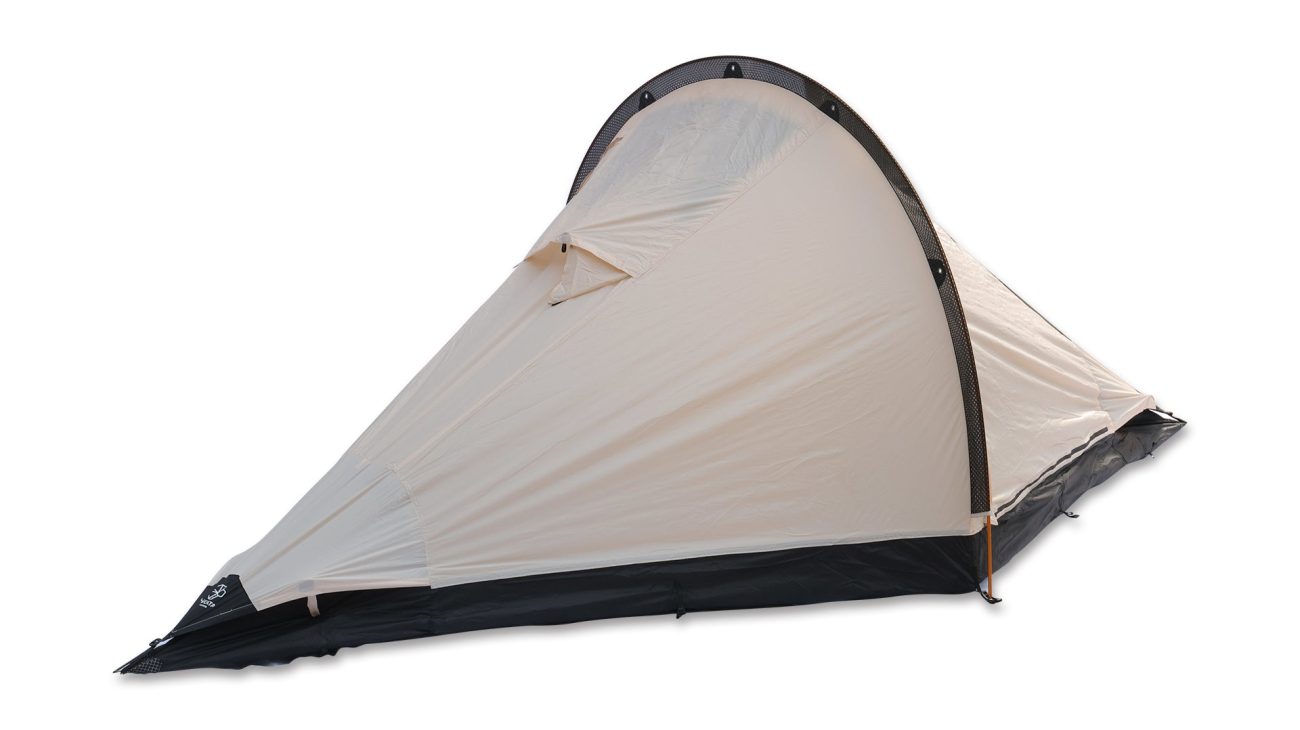
We all want a shelter that keeps everyone dry, comfortable, and fast to set up, yet weighs little enough that legs and patience survive the hike. The problem is clear: more interior space usually means more fabric and more weight, and shedding weight often removes livability. If you’re eyeing a hiking tent ultralight, decide which compromise you’ll tolerate first — sleeping space, gear storage, or weather resilience — and then solve for that priority.
Decide what matters before you buy
List non-negotiables. Do you need a vestibule big enough for a child’s backpack and boots? Are multi-season storms a real possibility on your route? Is a quick solo setup essential when you’re hiking with small children? Rank those needs and use them to filter tents. Choose the smallest tent that still meets your top two criteria: if weather protection is critical, accept less internal elbow room; if family comfort wins, accept slightly higher pack weight.
Concrete features to weigh — and why they matter
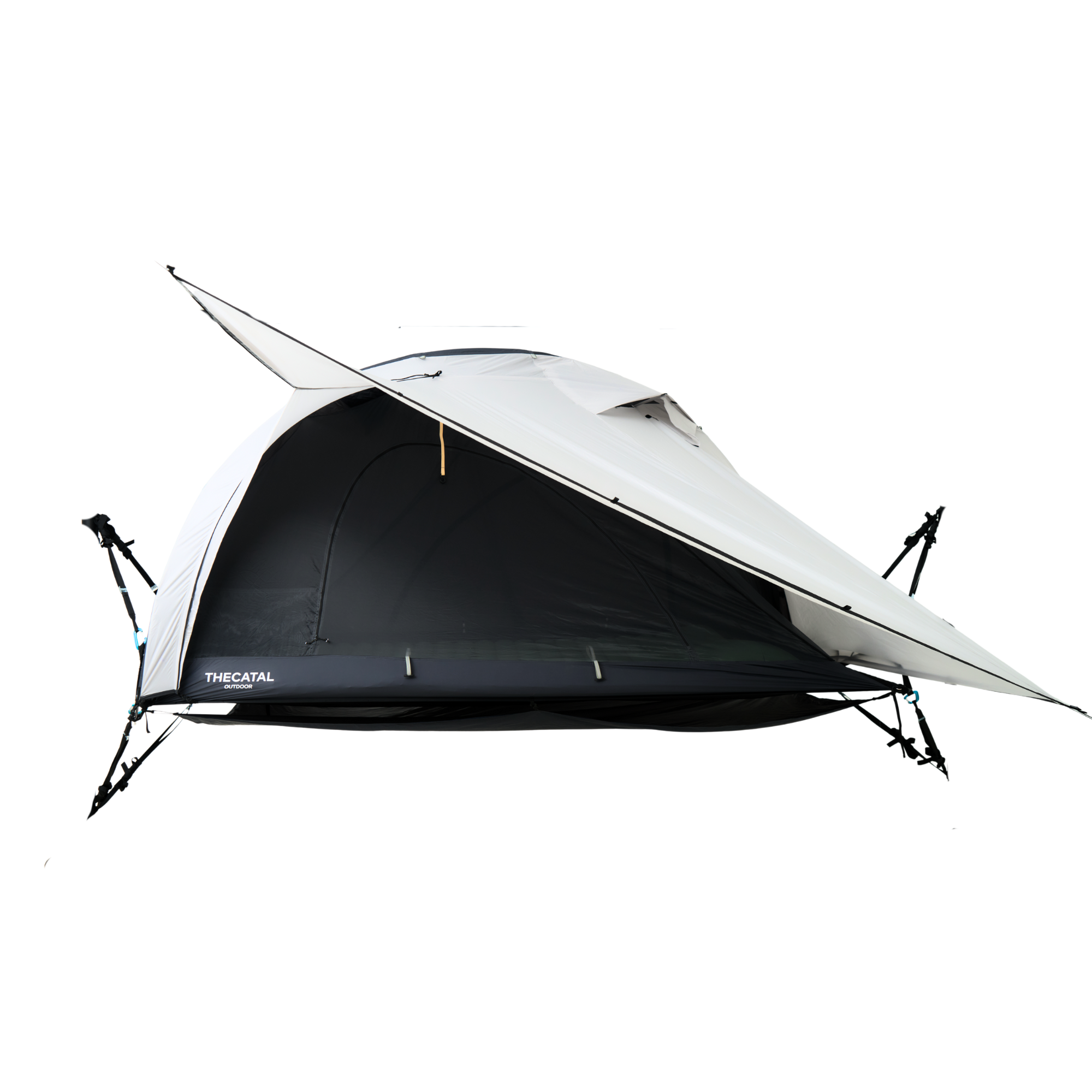
Look for these details and match them to your list: vestibule size (stores wet gear), peak height (reduces claustrophobia), footprint compatibility (adds longevity without much weight), seam construction (affects leaks), and pole design (freestanding vs. trekking-pole setups change weight and setup speed). Think in terms of tradeoffs: single-wall tents shave ounces but can condensate more; freestanding models are easier with kids but often heavier.
 Packing and setup tactics that save comfort without adding pounds
Small adjustments make a big difference. Use a shared vestibule rotation for boots so inside sleeping space stays clean. Store bulky items nearer the shoulder or hip so your pack rides comfortably. Practice pitching at home until you can do a blind setup; the time saved on trail matters. Swap heavy metal stakes for lighter versions when ground allows. Keep a tiny repair kit — patches and a short length of cord — rather than carrying full spare poles.
Common mistakes families make — and how to avoid them
Buying the lightest model without testing it is the top error. A tent might be ultralight on paper but cramped in practice. Overlooking ventilation leads to a damp interior that ruins sleep. Ignoring vestibule size forces you to leave gear outside in bad weather. Not practicing pack-and-pitch with kids wastes daylight and morale. Fix each by handling tents in person, checking vents, measuring gear against vestibule space, and rehearsing setups.
Viable alternatives and quick comparisons
Freestanding vs non-freestanding: freestanding is forgiving with kids and quick to move; non-freestanding usually cuts weight but demands a practiced pitch. Double-wall vs single-wall: double-wall tends to manage condensation better; single-wall saves weight but requires careful ventilation. Tarps and bug nets reduce weight dramatically but sacrifice privacy and warmth. Bivy setups suit solo ultralight hikers but rarely work for family outings.
Experience and a grounded example
From guiding weekend family trips and packing for wet-weather outings, I’ve learned small choices change a trip’s mood. On a week-long section of the Appalachian Trail, swapping to a reliable lightweight mountaineering tent cut packing stress without sacrificing shelter in unpredictable weather — a reminder that a well-matched tent is about the right combination of features, not the lowest weight number. Trust proven field use and real setups more than spec sheets.
Putting it together so decisions feel useful
Follow the problem-first path: name the hardest issue you’ll face on the trail, pick tents that solve that problem first, then optimize the rest with packing and practice. Avoid chasing a single spec and instead match features to your ranked needs; that approach leads to fewer surprises and more restful nights. When you look for equipment that fits those choices, you’ll find the models and guidance on sites like THECATAL align with the practical tradeoffs families actually need on the trail.