Crispclicky
Smoke Breaks and Laser Beams: A Comparative Look at Laser Engraver Fume Extractors
Introduction
Have you ever stood in a dim workshop and watched a laser carve away a piece of wood while a thin haze swallowed the light? I have — and that haze matters. The laser engraver fume extractor is the quiet hero meant to clear that fog, yet many shops still choke on fumes (and frustration). Recent measurements show particulate matter from laser cutting can spike well above safe limits — sometimes ten times higher than outdoor air on a bad day — so what's the sensible move?
The scene is almost gothic: lamps, amber dust, and machines whispering late into the night. We know a lot more now about PM2.5, volatile organic compounds, and the risks of long exposure. Yet people keep choosing solutions that look good on a spec sheet but fail on the bench. Why do we settle for less? — it's a question that should keep workshop owners awake, but hopefully not for the same reason as poor air quality. I’ll walk through the hard truths and the clearer paths. Next, let’s strip away the marketing and look at what actually breaks down in common setups.
 Deep Dive: Why Old Fixes Fail
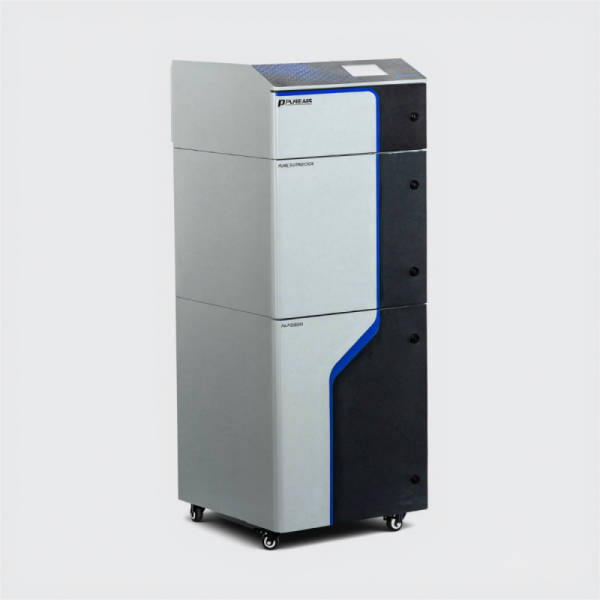
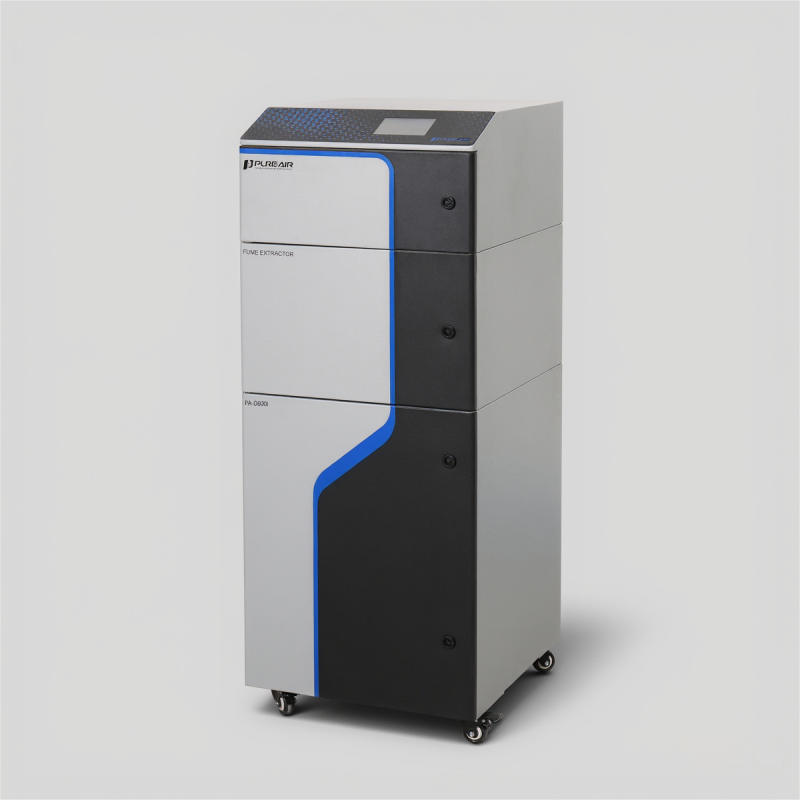
fume extractor laser engraver systems sound straightforward on paper: filter the air, vent if needed, repeat. But the devil lives in the details. Many units tout HEPA filters yet use low-grade media or bypasses that let fine particulate (PM2.5) slip by. Fan speed and airflow rate (CFM) are listed, but ducting losses and poor hood capture make those numbers meaningless on the workbench. Add noisy fans and heavy power converters that trip breakers, and you get inconsistent performance. Look, it’s simpler than you think: if the hood doesn’t capture the plume, the filter never gets a chance to do its job.
I’ve seen setups where activated carbon was an afterthought, so people smelled chemical fumes long after particulate dropped. Maintenance is another pain. Filters clog, seals fail, and replacement costs balloon — yet many users only learn this when their shop smells bad or an employee reports irritation. We call out easy fixes: proper hood geometry, matched fan and filter specs, and sealed duct runs. Those are small investments that save time, health, and money over the long run.
What's the real cost?
When you add it up, hidden costs show. Filter replacement, downtime, and poor ventilation can sap profits. I’ve logged weeks of lost time while shops waited for parts. Worse, low capture efficiency means repeated exposure — a slow, quiet hazard. Addressing these failures early is less dramatic than a redesign, but far more effective.
Forward Look: Principles for Better Extraction
Now let’s be constructive. The next wave of fume control follows clear engineering principles: capture at source, use the right media, and make systems maintainable. New designs blend better hood shapes with measured airflow (CFM) and true HEPA + activated carbon stages. Some units add sensors to monitor particulate and VOCs, so you know when filters need swapping. I like that approach because it treats air quality as measurable, not assumed. — funny how that works, right?
fume extractor laser engraver designs that follow those principles reduce recirculation, cut odors, and lower PM counts quickly. We should expect quieter fans tuned for steady airflow, modular filter cartridges for fast swaps, and basic electronics that avoid needless complexity. Edge computing nodes and simple sensors can log air readings without adding headaches. The goal is predictable performance that you can verify with a meter, not marketing.
What’s Next
To close, here are three practical metrics I use when evaluating systems: capture efficiency at the hood (percent of plume captured), airflow at the filter (CFM measured after duct losses), and total cost of ownership (filters, downtime, energy). If a unit scores well on those, it will likely perform well in the real world. I’ll be frank: I trust measured data over glossy specs every time. Choose systems that make filter changes easy and give you hard numbers — that’s where real value lives. For reliable options and practical engineering, consider checking PURE-AIR for validated solutions.